Trend, Tradeshow Recaps, Industry Insights and more!
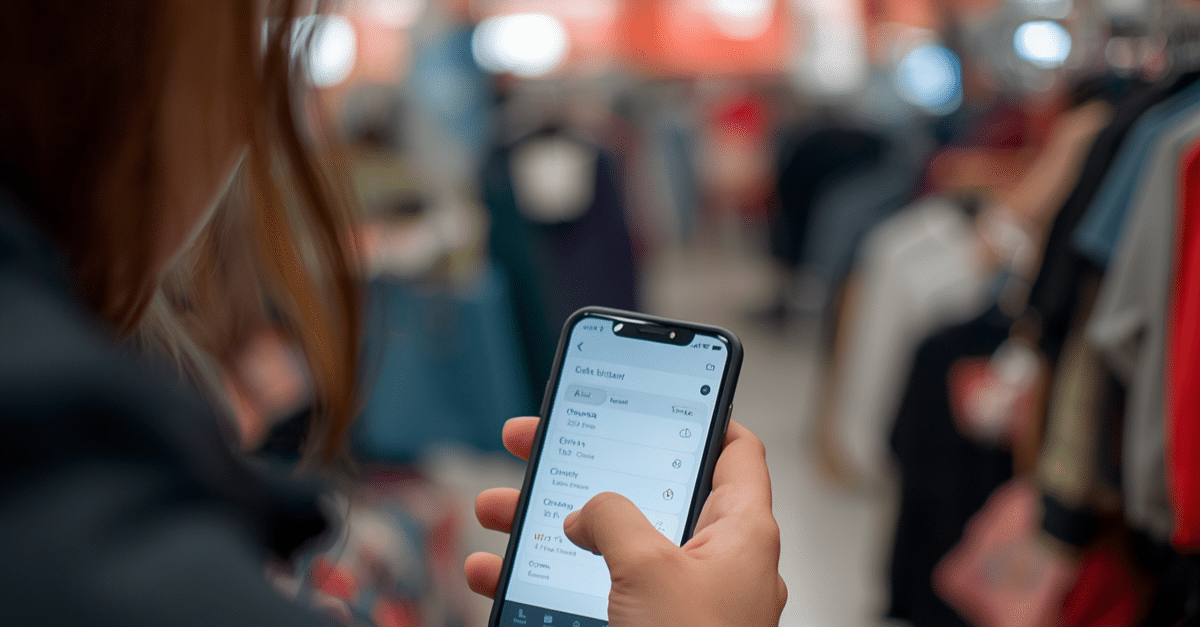
From physical shelves to “digital shelves,” over the past two decades, there have been monumental shifts in the way consumers find retail brands. But now, the game has changed again. Welcome to the era of Generative Engine Optimization (GEO).
Amazon, Walmart and Target shoppers aren’t just scrolling through lists on their phones, they’re talking to AI assistants like “Rufus” and “Sparky.” These AI-powered tools don’t just search, they synthesize information to provide a single, confident recommendation.
If your brand isn’t the one AI chooses to mention, you don’t just rank lower, you effectively cease to exist for that shopper.
Search Engine Optimization (SEO) is still important, but brands need to shift some focus from keywords to building Machine-Readable Authority.
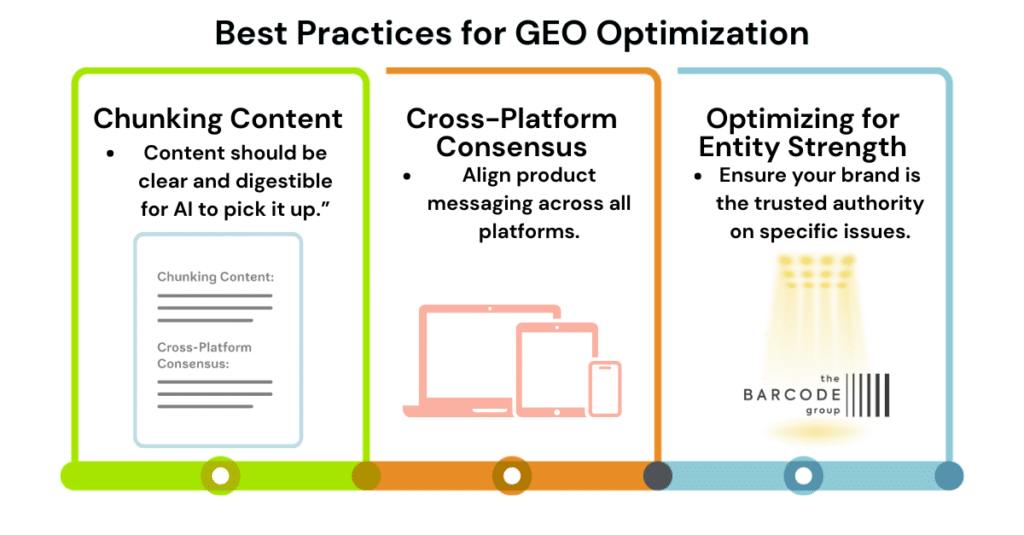
1. Strategic “chunking” of content AI models ingest information in “chunks.” If an AI pulls a single paragraph from a brand’s website, the paragraph has to make sense on its own, in isolation. This requires using a definition-first approach. So, instead of poetic tributes to a brand’s legacy of quality, the structure should be clear. For example, Brand ABC is a laundry detergent specializing in eco-friendly stain removal.
2. Building cross-platform consensus When AI recognizes identical facts repeated across independent, high-authority sources, it increases its “confidence” in a recommendation. Brands should ensure their messaging is the same across all platforms and retail partners. For example, if a product is listed as vegan on a DTC site, but “plant-based” on Walmart.com, AI confidence will drop.
3. Optimizing for “entity strength” AI treats brands as “entities,” not just keywords, so the goal is to be the “default” answer to a query. When a user asks, “What is the best face lotion for sensitive skin at Costco?” an AI looks for the brand most consistently associated with that specific issue.
A brand’s AI strategy should be split based on where it sells.
The job of a retail broker is and always has been to get products on shelves. However, today, an additional role of a retail broker partner is data and AI architect.
The Barcode Group doesn’t just manage buyer relationships, we manage the “digital handshake” between a brand’s data and a retailer’s AI.
These systems rely on PDP content and visuals to evaluate and recommend products based on how shoppers search and ask questions. The Barcode Group provides best-in-class creative services to optimize the digital presence of brands for each unique retailer’s specifications.
The question is no longer, “Are you on the shelf?” It’s “Does the AI trust your brand enough to recommend it?”
Need expert help mapping out your brand’s GEO strategy to dominate AI search? Contact The Barcode Group today. We’re the secret weapon team that gets your brand on shelves, online and found.

We’re constantly gaining industry knowledge: from tips and tricks to back end data, we got crazy amounts of knowledge ready to share with you.
Get access