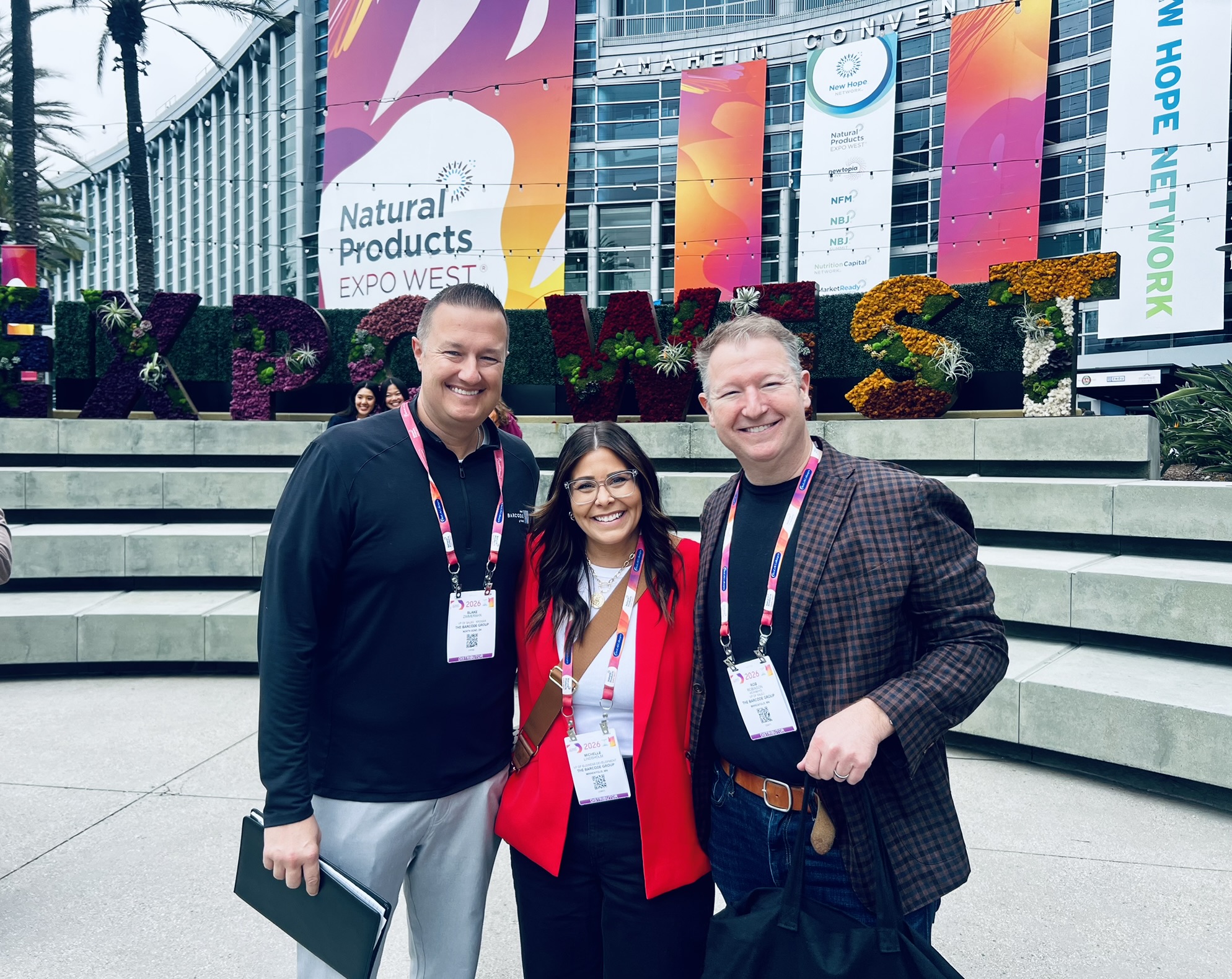
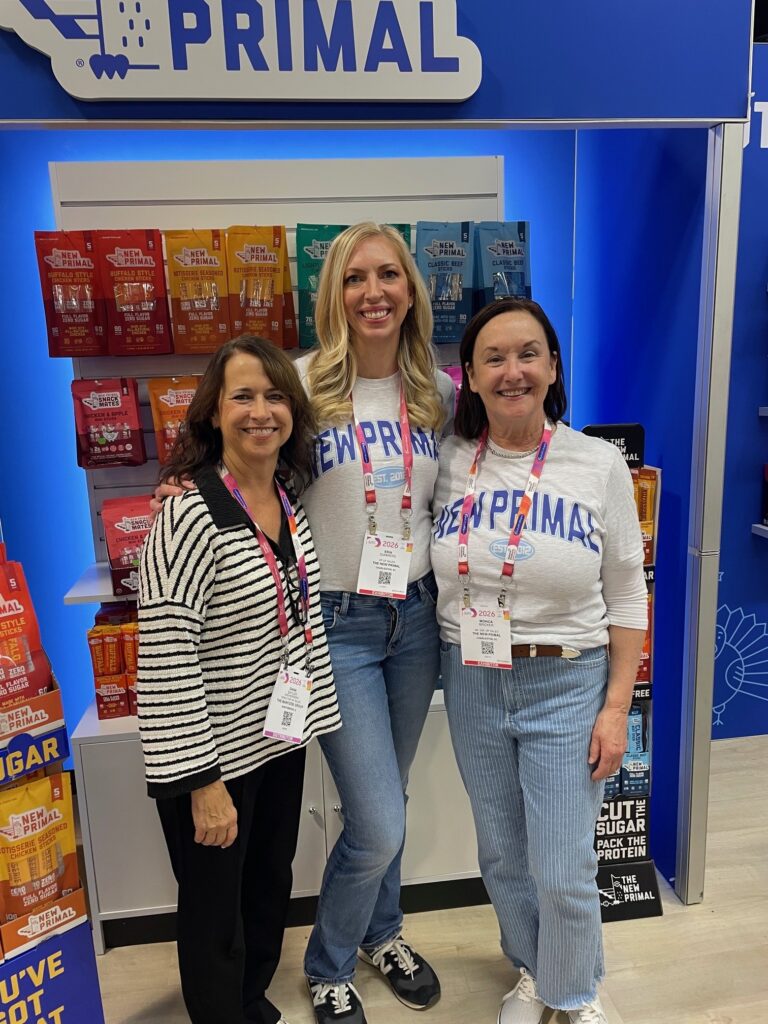
The Barcode Group’s team has returned from Expo West 2026 with a clear message for brands and manufacturers: Get ready to enter your Elevated Pantry era because consumers overwhelmingly want products that address functional health while sparking culinary joy.
1. Pile On The Protein
Protein is no longer considered just a supplement or a fitness attribute, it’s a must-have in nearly every food. It’s also a key tool in making premium meals affordable.
Whey protein is the star in beverages, but pea- and plant-based proteins are coming of age as well. For those looking for “beauty from within,” collagen is still a staple.
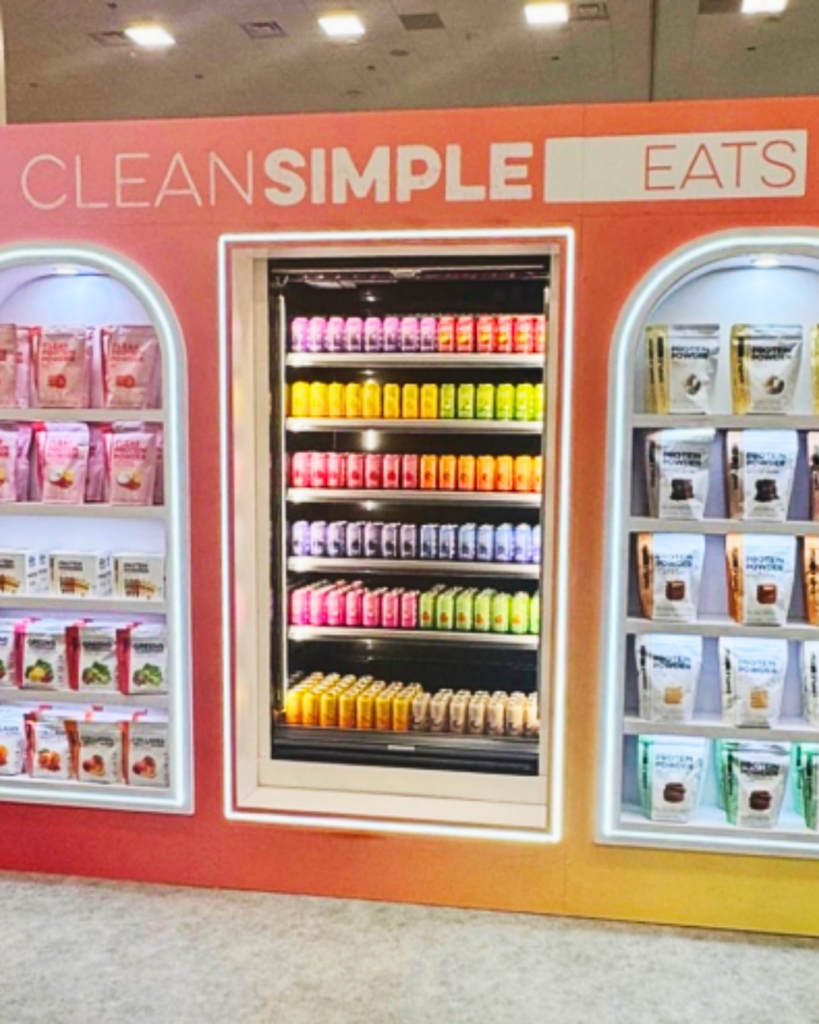
Consumers have overwhelmingly demanded to move beyond heavy, chalky protein shakes, so we’re seeing an explosion of RTD clear protein beverages. These refreshing alternatives often contain zero sugar, but pack up to 20g of protein.
As we’re seeing fewer traditional protein shakes, we’re also watching the decline of the protein bar. Consumers are looking for protein in liquid or “real food” formats.
Protein pastas and sauces, candy, gum and even protein popsicles. Bulking up the protein in products allows consumers to skip an expensive meat purchase while still enjoying a filling meal or snack.
Shoppers with busy lives are also stocking up on protein on the go with powders, Tetra Paks and dissolvable tablets.
2. Radical Transparency: Nutrition Over Labels
As we toured the vast Expo space, one thing was very clear: How we define “healthy” is changing.
“Nutrient density” is overshadowing strict certification (such as organic). Brands are prioritizing high protein, low sugar and “clean fats” or “heritage fats” such as beef tallow. With the scrutiny of ultra-processed ingredients in the spotlight, brands are utilizing “clean oils” over the seed oils previously used.
It’s mushroom mania. From adaptogenic coffees and sparkling elixirs to blended meat-and-mushroom mains, fungi have taken over not only the center of the plate, but cups too.
Expo 2026 was a tug-of-war between energy and recovery. One member of TBG’s team affectionately called it the “uppers and downers” show. One moment you’re awake, surrounded by B12 products and energy boosters, the next, you’re taking magnesium, focused on calm and snacking and sipping to promote restful sleep.
3. A “High-Low” Economic Strategy
With the volatile economic climate, consumers are dining out less, but still craving luxury. Some shoppers are now firmly budget conscious, but others are focused on a mindset of quality over quantity. This creates a big opportunity for premium at-home products.
Retailers are pushing for more private label space, which creates a massive opening for manufacturers who can produce high-quality, branded-adjacent favorites for a store’s own label.
Brands are leaning into cooking at home with elevated sauces, chili crisps and noodles. The aim is to replace an expensive takeout order with a more affordable premium home meal.
On the flip side, extreme indulgence was also a major theme at this year’s Expo. When consumers decide they’re going to treat themselves, they want their treats to be high quality. Luxury brands are leaning into viral trends like Dubai chocolate and fusion foods.
This requires brands balance their luxury positioning with a heavy promotional strategy. For a premium trial, higher price points are okay, but brands must offer value through promotions to win out against private label.
4. Flavor Forecast: New Nostalgia and Global Influence
Retailers are looking for flavors that feel new in formats that feel familiar, offering a “safe adventure” to consumers.
From ube and boba to mochi and bao, Asian influence isn’t a niche aisle anymore, it the main event.
Consumers are hungry for new nostalgia, better-for-you versions of childhood favorites. Like veggie dino nuggets, grain-free pizza pockets, Swedish candy and more feel like comfort food treats we’ve all earned.
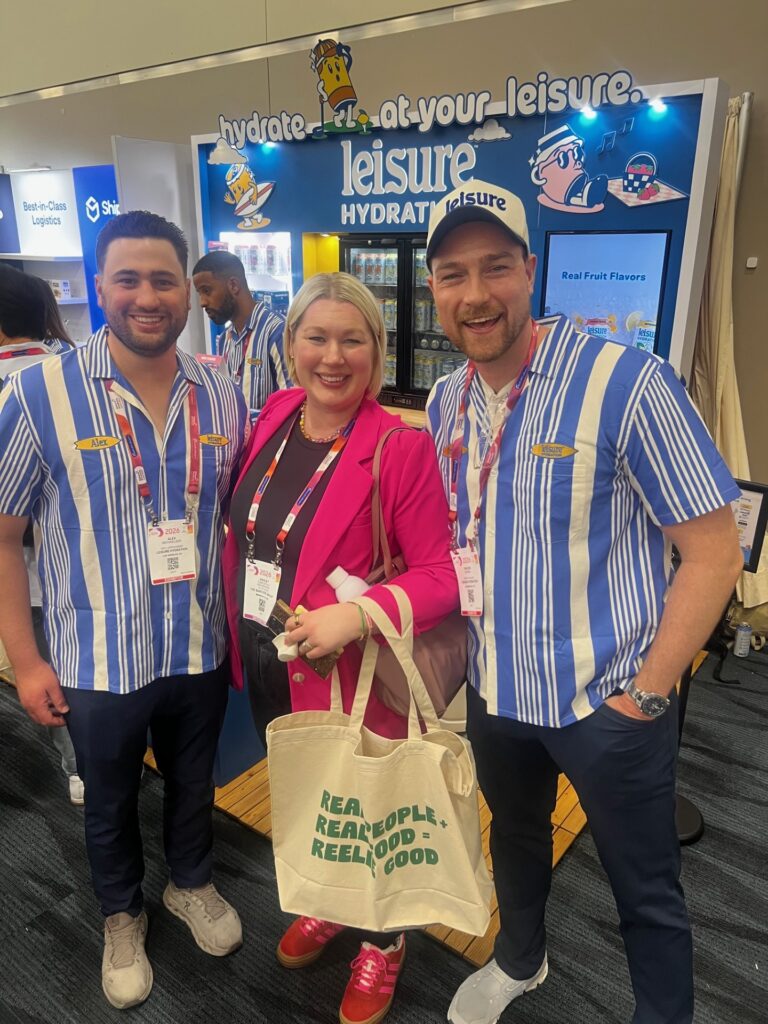
Look for “stacked” benefits in RTD beverages as what we drink becomes functional. Matcha and L-Theanine, coconut water and collagen, your water is about to do a lot more for you!
Key Takeaways
Health as Beauty: Frame functional ingredients like collagen and magnesium as part of a daily aesthetic and wellness routine, not just a medical necessity.
The “Indulgence” Buffer: Don’t be afraid to offer hyper-indulgent options. In a tough economy, consumers want their treat days to be worth it.
Multi-functional Affordability: Solve a consumer’s budget crunch by packing functionality into affordable staples (like protein-enriched pasta).
Format Innovation: Look beyond the bottle or the bar. Use Tetra Paks, tablets and on-the-go pouches to meet the consumer where they are.
Your Post-Expo Action Plan
For Expo insights to translate into shelf space, brands need a strategy.
Audit Your Nutrition Deck: If you are currently banking on “Organic” as your primary hook, consider shifting your messaging to highlight high protein, low sugar and clean oils to align with current buyer priorities.
Evaluate Private Label Capacity: Reach out to your retail partners to see where their private label gaps are. Being the “partner of choice” for their premium store brand is a fast-track to volume.
Prototype “Fusion” and “OTG” Packaging: Begin R&D on more portable, shelf-stable formats (like Tetra Paks or functional tablets) that allow for easier trial and lower shipping costs.
Partner with an Experienced Retail Broker: Don’t try to navigate the reset cycle alone. Work with a seasoned broker who can capture Expo West trends and help you get ahead of the next cycle, ensuring your product is optimized for both physical shelves and online agentic commerce.
If you are a CPG brand or manufacturer looking to get your products into major U.S. retailers, online and on shelves, let’s connect.
The Barcode Group works with America’s biggest retailers to position brands for placement, growth and long-term scale. Because the right price pack architecture, assortment optimization and relationship management and execution strategy matters more than ever. DM or reach out to info@thebarcodegroup.com